
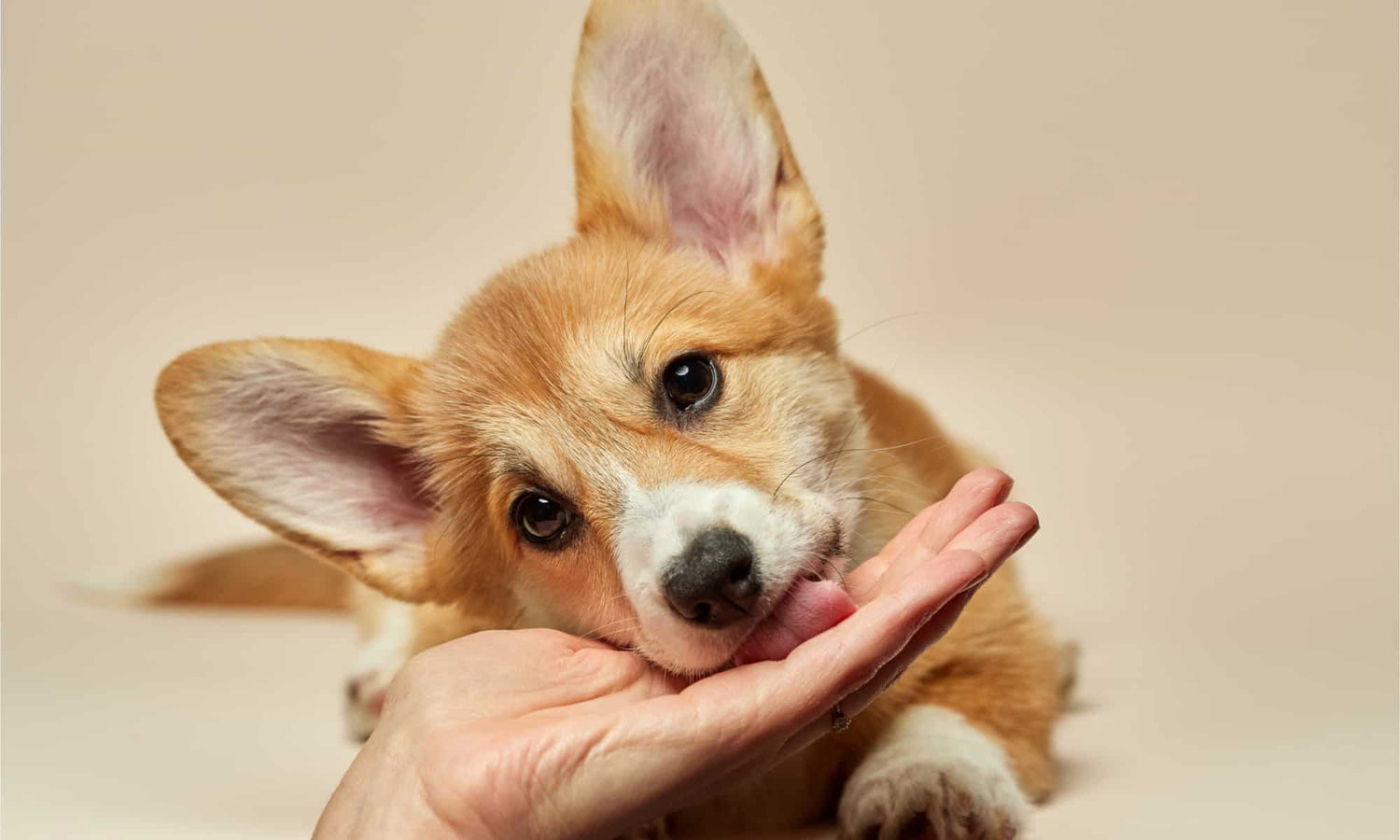
If your dog showers you with licks every time you start petting them, you’re definitely not alone. This is something I’ve noticed with my own dog and it’s made me curious too.
Below, you’ll find simple explanations for this doggy habit, plus some tips on what to do if it gets a little too much. If you’re curious about a different type of licking, feel free to ask in the comments!
Common Reasons Dogs Lick Their Owners During Petting
Seeking Attention and Affection
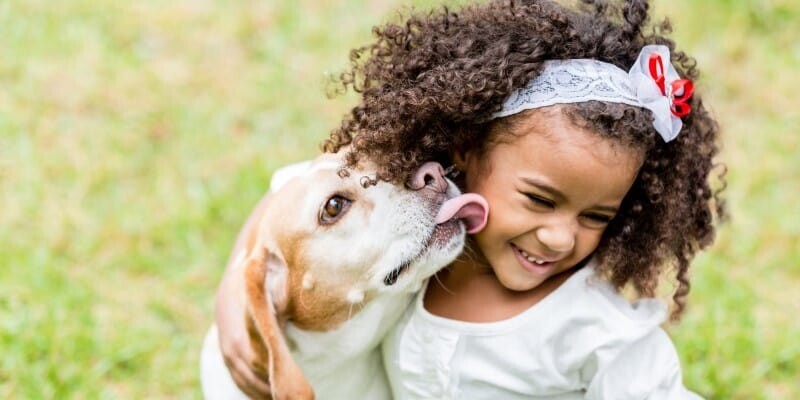
One of the main reasons dogs lick when you pet them is to show love. Licking is one of the first ways puppies bond with their mom and littermates. When your dog licks you, they’re kind of saying, “I like being here with you!” It’s their way of both giving and asking for affection.
Tasting Your Skin
Dogs use their mouths and tongues to explore the world. Your skin can taste salty or just a little interesting, especially if you’ve been cooking or sweating. Some dogs just like checking out new flavours and your arm, hand, or face is right in front of them when you reach down to pet.
Communicating Submission or Respect
Licking is also a way dogs show respect or submission. In the wild and among packs, dogs lick more dominant members as a friendly gesture or to say, “I respect you.” If your pup is a gentle soul, their licking might mean they see you as a trusted leader.
It Feels Good
Licking can release feel-good hormones for dogs. It calms them and can even calm you down too. If your dog gets excited or happy while being petted, licking is their way of soaking up the good vibes. Sometimes, this habit grows as part of your shared routine.
Licking and Petting Dog Behaviour
Is Licking a Sign of Anxiety ?
Sometimes, yes. If you notice your dog is licking nonstop, even when you stop petting them, it could be a little sign they’re stressed or anxious. I always look for other clues, like whining, pacing, or hiding. If licking is loud and frantic, it might be worth chatting with your vet just to rule out anxiety issues.
Dogs, just like us, can sometimes use habits like licking to cope with things that make them uncomfortable or nervous. Spotting the difference between normal and anxious licking can help you know when your dog needs extra support.
Can Licking Mean There’s a Health Problem ?
Licking during a petting session is usually normal. But if it suddenly increases, your dog seems uncomfortable, or you spot sores or redness on their tongue or your skin, it’s smart to check things out.
Dogs with allergies, dental problems, or nausea sometimes lick more to self-soothe. Watch for other signs, like changes in eating or energy, to help figure out if something else is going on.
Do All Breeds Lick the Same Amount ?
Not really. Some breeds, like Labs or Golden Retrievers, are big on social interactions, so they might lick more than, say, a chow chow or a greyhound. My own experience is that each dog is different; some are just more “kissy” than others.
Can I Train My Dog to Lick Less ?
Definitely. Most dogs can learn to hold back if licking gets too much for you or guests. When your dog gets too enthusiastic, gently pull your hand away, say “all done,” and only return to petting when they settle down.
Positive reinforcement and patience go a long way. I use treats to reward calm, non licky behaviour, and it works surprisingly well over time. Training isn’t about stopping your dog’s affection completely; it’s about helping both of you feel comfortable together.
Understanding Dog Communication
Licking as Social Bonding
For dogs, licking isn’t just a random action. It helps build their social life. Mother dogs lick their pups to clean and comfort them. Dogs in packs lick each other to strengthen their connections. When your dog licks you while you’re petting them, think of it as a way they reinforce your bond, not just a habit or a quirk. Licking fills more roles than just showing affection; it’s woven into the way dogs build relationships.
Are There Times When I Should Be Concerned ?
If your dog’s licking seems obsessive, if they’re licking themselves raw or you notice changes in their appetite or mood, it’s always a good idea to check in with your veterinarian. Sometimes excessive licking points to pain, allergies, or boredom that needs a little extra attention. Being aware of big changes helps you get ahead of any problems early on. Don’t hesitate to reach out to professionals if you spot anything unusual, as your vet can give the best advice for your unique situation.
Is It Safe to Let Dogs Lick My Skin ?
Most of the time, it’s totally fine and not harmful. Just make sure there are no open wounds, and keep the licking away from your eyes or mouth. If you’re ever unsure, washing your hands afterward adds an extra layer of safety, especially if you have sensitive skin. If someone in your home has a weakened immune system or allergies, it’s worth being a little extra careful and limiting close contact. Staying aware helps keep everyone happy and healthy.

Petting Tips for a Good Experience
Distracting With Toys or Treats
If you want to distract your dog from licking while still enjoying your time together, offer a favourite chew or toy while you pet them. This keeps their mouth busy and can help reinforce calm snuggle time. Some dogs love puzzle toys, which provide extra mental exercise and fun during your bonding moments.
Establishing Boundaries
It’s totally okay to put some gentle boundaries in place if you’d prefer less licking. Calmly redirect your dog, get up if they get a little slobbery, and reward relaxed behaviour or gentle nuzzles instead of tongues out action. Consistency makes a big difference; your dog will pick up on your cues over time. The goal is a happy balance where everyone enjoys the time together.
Conclusion
If you have more specific questions or want to know about other quirky pet behaviours, feel free to drop a comment or reach out to your vet. Every dog is unique, and sometimes they just want to make sure you know you’re loved!
Your observations matter, so keep an open mind and enjoy every goofy, loving moment you share with your dog.

Leave a comment
This site is protected by hCaptcha and the hCaptcha Privacy Policy and Terms of Service apply.