
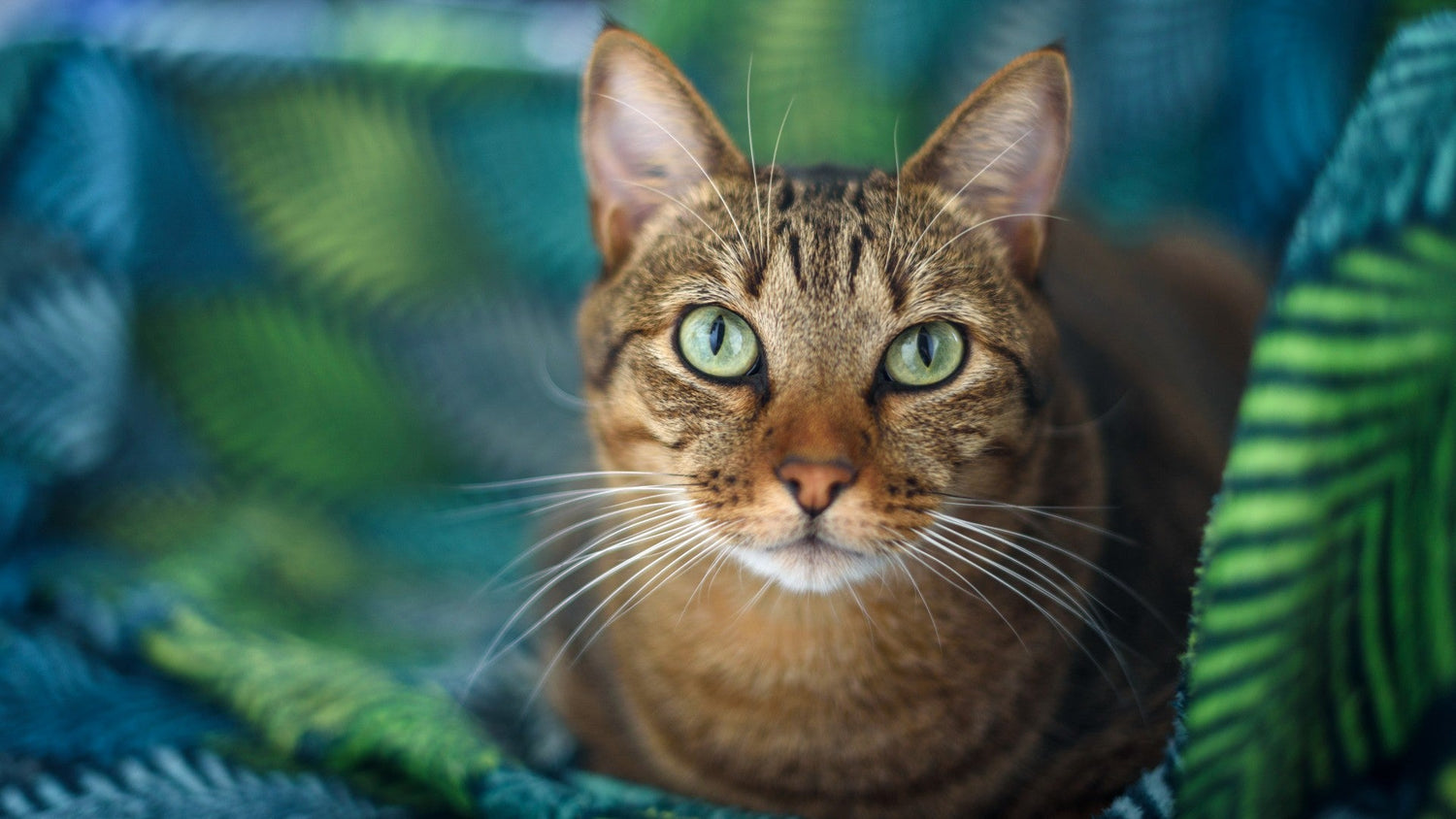
Living with a cat means sharing your space with a companion who can be curious, affectionate, or downright clingy. If you notice your cat following you from room to room, staring while you make coffee, or even waiting outside the bathroom, you’re definitely not alone.
I’ve experienced this with my own cats, and at first, it made me wonder if they were trying to tell me something.
So, I’ll explain the main reasons why cats follow their humans everywhere and what this behaviour could mean for both you and your pet.

Understanding Cat Behaviour: Why Your Cat Shadows You
Cats have a reputation for being independent, but their actions are shaped by both instincts and personal experiences. Knowing what drives their behaviour helps me connect better with my own pets and respond to their needs in a thoughtful way.
Research shows that domestic cats, while descended from solitary wildcats, have adapted to life with humans by seeking social connections. So, that clingy cat who always wants to be near you is simply showing how domestication has changed them.
In my home, cats follow me for several reasons. Sometimes they’re curious about what I’m doing, sometimes they want food or attention, and other times, they’re seeking comfort or routine.
Each cat has a unique personality, and understanding those subtle differences can help explain their daily habits. For instance, one of my cats, Milo, wants to inspect every bag I bring home, while my other cat, Max, just wants to curl up beside me while I read. This variety in personalities means there are quite a few factors that go into why our cats tail us around the house.
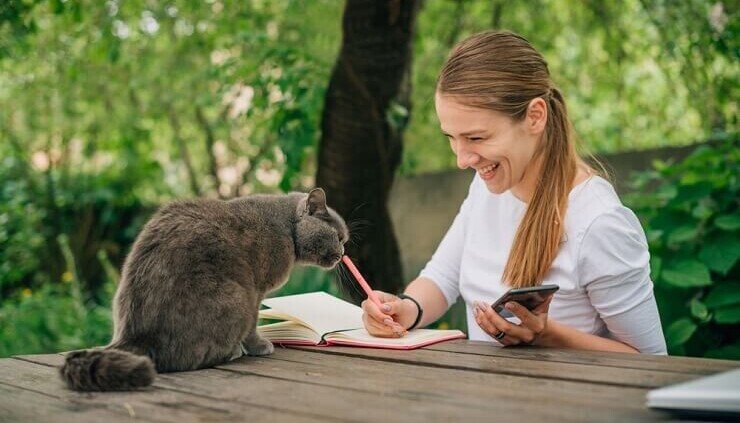
Key Reasons Cats Follow People Everywhere
If you feel watched at all times by your cat, there are several possible explanations. Here are the common reasons I’ve learned from both caring for my own cats and checking out expert advice:
-
Seeking Attention: Many cats crave interaction. If I pay attention to my cat when they follow me, they learn that sticking close leads to pets or playtime. Even cats who aren't that vocal may nudge you or meow to grab your attention when they're nearby, showing that following is one way they communicate their social needs.
-
Hunger or Treat Motivation: My cats know I’m the one who fills the food bowl. When mealtime is near, they start trailing me from room to room, reminding me with both their eyes and their footsteps. Some cats even learn the sound of the food container or the treat jar being opened, making them even quicker to appear by your side.
-
Curiosity: Cats are naturally inquisitive creatures. My cat often follows me just to check out what I’m doing, especially if it involves a closed door. Cats just hate not knowing what’s going on. Closed doors are mysterious to a cat, and they want to be sure they aren't missing out on anything exciting.
-
Security and Comfort: Some cats see their humans as a source of safety. In new homes or after stressful events, I’ve noticed my cats follow me much more closely, sometimes rubbing up against my legs or settling right next to me for reassurance. This is especially common during loud noises, such as thunderstorms or fireworks, when the home doesn't feel as safe from their perspective.
-
Routine and Habit: Cats thrive on familiar patterns. If I usually move from the sofa to the kitchen at certain times, my cat often anticipates this and walks alongside me. Over time, our routines become their routines, and the predictability gives cats a sense of comfort.
Understanding Cat-Human Bonding
The relationship between a person and their cat is often stronger than you might expect. Studies have shown that cats recognize their owners’ voices and scent, and they build trust through repeated, positive interactions. From my own experience, a cat doesn’t just follow someone out of boredom. There’s often a deeper sense of attachment involved.
If you notice your cat prefers to be with you over other people in the house, it’s a pretty good sign that they see you as their safe person. My cats do this by seeking me out when I’m working from home, resting their heads nearby, or simply keeping me in their line of sight. Sometimes, I notice my cats even mimic my routines, such as coming to the window with me to look outside or sitting with me during movie nights. All these behaviours can be heart warming reminders that the connection goes both ways.
Cats may show affection through other quirks too, like slow blinking, gentle nuzzles, or chirping when you talk to them. These little gestures are part of how cats show their bond, and being followed from room to room is just one of many endearing signs.
How to Tell If Your Cat’s Behaviour Is Normal
Following behaviour is generally harmless and a sign that your cat feels comfortable and bonded with you. However, there are cases when it could be a sign of distress or a call for help.
If your cat suddenly becomes more clingy, is vocalizing more than usual, or seems unsettled, it could mean something’s changed in their environment or that they’re feeling unwell.
Regular veterinary visits are really important to rule out any medical causes for a big change in behaviour. Cats hide pain or illness well, so a new pattern of following may signal that they’re seeking comfort because something doesn’t feel right. If you also notice symptoms like appetite changes, hiding, or changes in litter box habits, check in with your vet promptly.
Ways to Support a Cat That Follows You Everywhere
Meeting your cat’s needs goes beyond just food and shelter. If your cat follows you around, here are a few things I do to support their well-being:
-
Play and Interaction: I set aside a few minutes each day to play with my cats. Wand toys, laser pointers, or a simple crumpled paper ball help burn off energy and keep them mentally sharp. Regular play keeps boredom at bay and also encourages a healthy sleep cycle.
-
Establishing Routines: Cats are creatures of habit. Sticking to regular feeding times and play sessions helps my cats feel secure and less anxious about what’s happening next. Routine reassures them, which can reduce excessive following.
-
Creating Cat friendly Spaces: I provide plenty of high perches, cozy resting spots, and hideaways. This encourages independent lounging so my cat doesn’t feel the need to be underfoot all the time. Window seats, cat trees, and cardboard boxes can all serve as inviting retreats.
-
Positive Reinforcement: Rewarding my cat when they play or rest calmly on their own works well. Treats and petting for independent behaviour helps build their confidence. Over time, your cat may start seeking out these cozy spots as much as your company.
When Cat Following May Become a Problem
Most of the time, a cat that follows you everywhere is just showing normal attachment. But if your cat’s following turns into constant vocalizing, destructive behaviours when you’re away, or they become very distressed if left alone, separation anxiety could be the issue.
Separation anxiety in cats is less common than in dogs but it does happen. I notice it through changes like scratching doors, refusing to eat when I’m gone, or bathroom accidents outside the litter box.
Managing separation anxiety involves building up my cat’s independence a little at a time and making my time away less stressful, such as leaving on soft music or using puzzle feeders to keep them occupied. If you suspect your cat is facing separation anxiety, consult your veterinarian for advice tailored to your pet’s needs, and consider seeking a cat behaviourist for additional strategies.
You can also make your absence less stressful by giving your cat access to favourite beds or sunny perches near windows, keeping their environment interesting while you’re gone. Over time, many cats become more comfortable with brief periods on their own.

Tips for Encouraging Healthy Independence
Sometimes you want your cat to feel comfortable on their own, especially if being followed all day makes it tough to work or relax. Here’s what has worked for me:
Interactive Toys: I use toys that move or dispense treats to keep my cats busy. These give them a sense of accomplishment and help fill their time without me. Puzzle feeders and treat balls are great for engaging a cat’s mind, distracting them from your absence.
Gradual Alone Time: I occasionally leave my cat in a safe room with their bed and some toys for short amounts of time, slowly building up their comfort level with being alone. Start with a few minutes and add more time as your cat adjusts. This way, alone time doesn’t feel like punishment but becomes a natural part of their day.
Enriching the Environment: I rotate toys, add new scratching posts, and sometimes provide catnip or treats hidden in different spots. This keeps my cat entertained exploring their little world, even if I’m in another room. You can also give your cat a view out a safe window or provide bird feeders outside for extra entertainment. Cat friendly furniture and wall shelves can give your feline more places to explore too.

Benefits of Having a Clingy Cat
While some people find it overwhelming, I actually love the company of a cat who wants to be with me. This habit can strengthen your bond and often results in a happier pet. Cats that feel comfortable being close to their humans, in my experience, are generally more confident, playful, and affectionate. That connection often goes both ways. Having a cat follow me around brings warmth and a bit of daily joy, even when I’m just making coffee. It’s a gentle reminder that even the most independent-looking pets need and appreciate our presence.
The little routines can be the most rewarding parts of sharing a home with a pet—like your cat jumping onto your lap every evening or trotting ahead to show you their favourite window. These moments build trust, friendship, and happiness for both sides.
Frequently Asked Questions
I get a lot of questions from friends and readers about clingy cat behaviour. Here are a few I hear often:
Question: Is it okay for my cat to follow me everywhere?
Answer: Yes, as long as your cat seems happy and healthy, this is a normal sign of bonding. If you notice other changes in appetite, energy, or litter box use, talk with your vet.
Question: Should I worry about separation anxiety?
Answer: If your cat becomes highly distressed when you leave, such as crying, scratching, or eliminating outside the box, look for ways to gradually build their independence and talk to your veterinarian for more support. Read more about separation anxiety in cats.
Question: How do I help my cat spend more time alone?
Answer: Start with short periods apart, always provide plenty of toys and comfortable spots, and reward calm, independent behaviour. My experience shows that patience and routine really help.
Final Thoughts
Having a cat that follows you everywhere is often a sweet reminder of the unique bond between pets and their people. These behaviours can signal trust, affection, or just a curious nature. If your cat’s closeness doesn’t cross into distress or disruption, it’s usually nothing to worry about.
Supporting your cat with play, routine, and a welcoming environment makes shared life much richer for both of you. Building and maintaining that bond brings out the best in our feline friends while enriching our own daily lives.

Leave a comment
This site is protected by hCaptcha and the hCaptcha Privacy Policy and Terms of Service apply.