
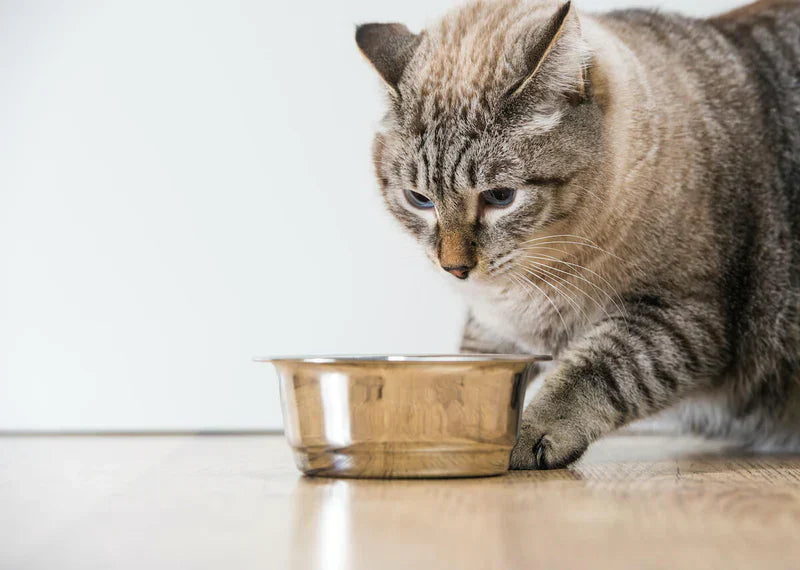
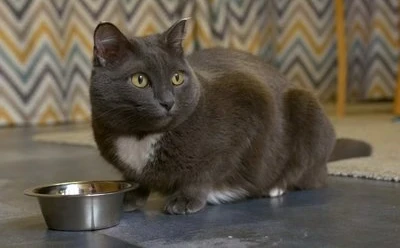
Cats have some habits that make us scratch our heads, but one behaviour a lot of people notice is their cat pawing or scratching around their food bowl.
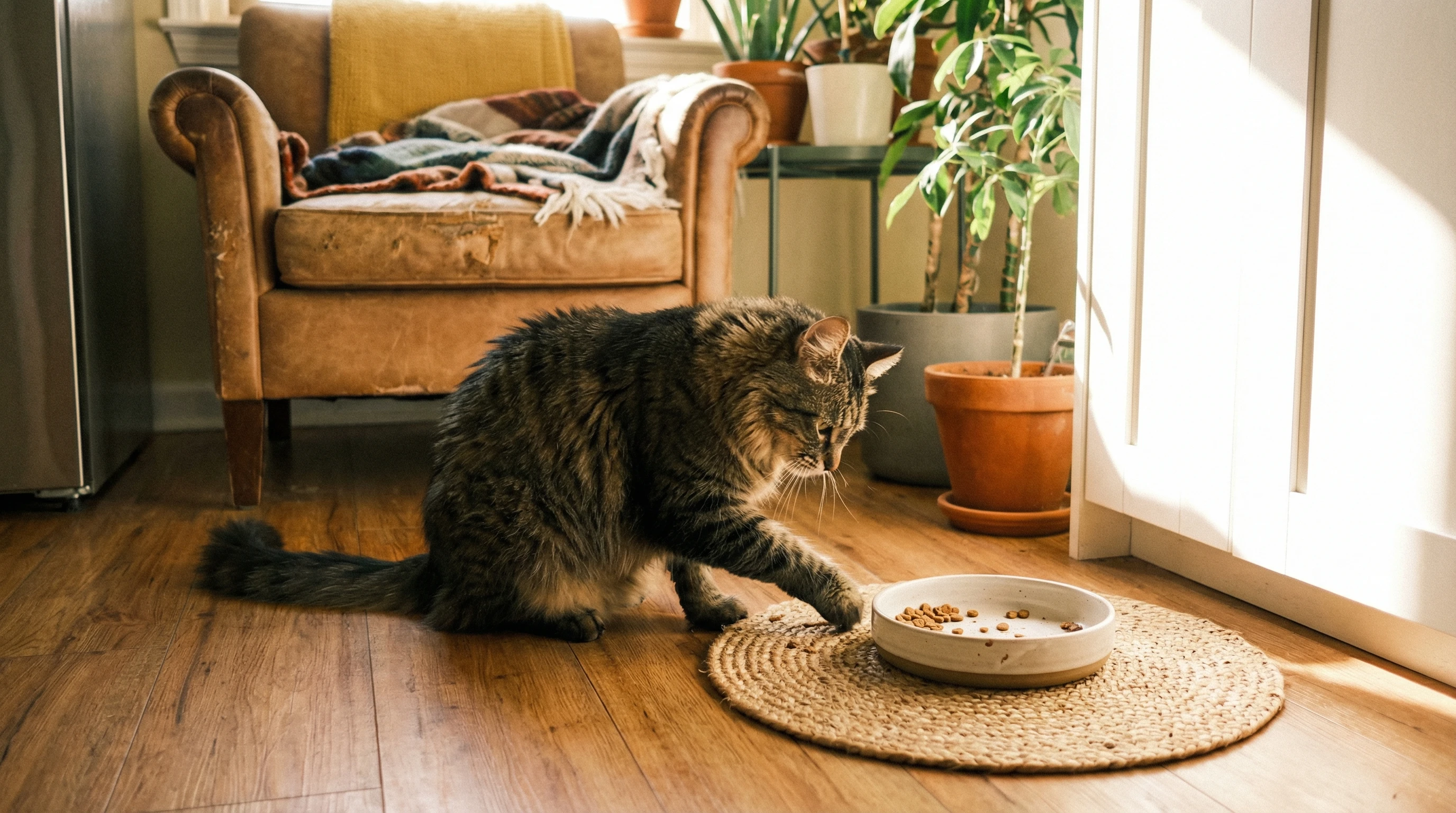
I still remember the first time I watched my own cat do this; he’d finish eating and then act like he was digging at the floor, sometimes even pulling at the mat under his bowl. So, why does my cat scratch around their food bowl ?
It turns out, this isn’t uncommon, and there are some interesting reasons behind it that are closely tied to both their instincts and their relationship with us.
Why Do Cats Scratch Around Their Food Bowl?
This behaviour, sometimes called “food caching” or “burial,” stems from cats’ wild ancestors. In the wild, cats would often try to hide their food leftovers to keep them safe from other predators or scavengers, or to avoid attracting unwanted attention.
Even if they’re cozy and safe at home, those instincts can pop up out of nowhere, especially when there’s extra food in the bowl.
Some cats also scratch or paw around their bowls as a way to “tidy up,” sort of like covering up waste in the litter box. This natural cleaning instinct shows itself in several areas of your cat’s life, including mealtime.
Just as they dig to cover litter, many cats feel the urge to do the same with food—the actions are linked in their brains to safety and cleanliness.
Understanding Cat Instincts Behind Bowl Scratching
Digging and burying actions are completely normal for cats. Wild cats and even big cats like leopards and cheetahs will sometimes cache food, which means they hide leftovers for later.
Domestic cats still have these instincts, even if they’ve never had to protect their dinner from anyone except maybe another household pet!
-
Food Caching: This is when your cat tries to “bury” any uneaten food, copying behaviours seen in the wild.
-
Predator Avoidance: By hiding their scent and leftovers, cats make sure nothing dangerous notices them or their food.
-
Caretaking Instincts: Sometimes, cats cover their food because they don’t want others to eat it, or they want to come back for it later.
Even young kittens who have never felt hunger or seen the outdoors sometimes start scratching around their bowl. That just proves how strong those instincts are. Some researchers believe this urge is especially strong in cats that are the only pets at home, while others argue that having competition can amplify it, as cats might cover food to return later.
Common Situations Where Cats Paw at Their Food Area
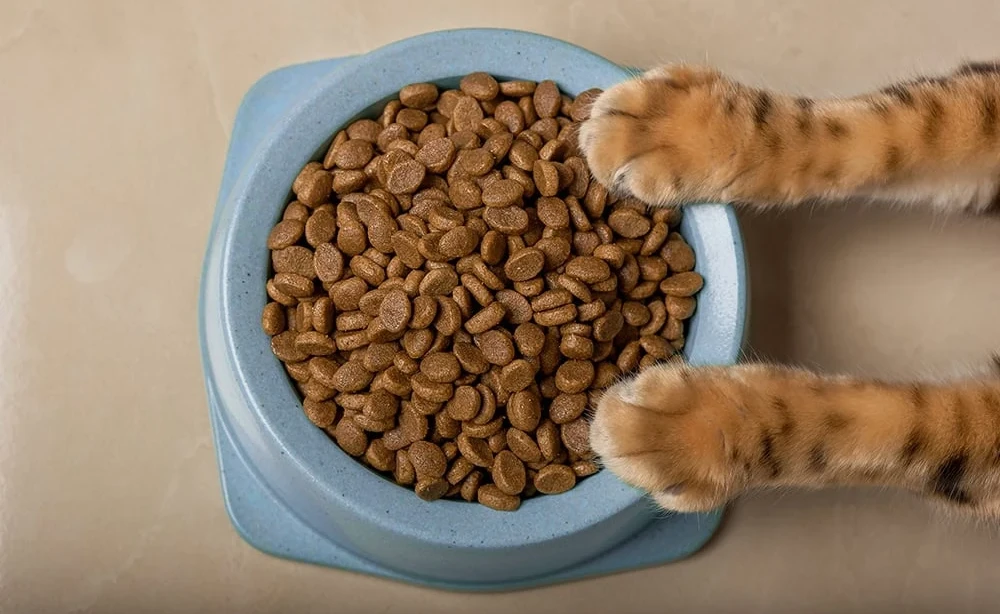
I’ve noticed that some cats scratch around the bowl every single time they eat, while others do it only once in a while. There are some patterns as to when this habit pops up:
-
Too Much Food Left: Big portions or leftovers your cat isn’t hungry enough to finish can trigger the urge to “bury.”
-
New or Different Foods: If something smells different or unfamiliar, your cat might cover it up out of caution or disinterest.
-
After Eating: Some cats just want to “clean up” and copy their litter box behaviour.
-
Environmental Cues: Changing up feeding spots or feeding near their litter box can encourage more scratching.
These situations often overlap, and your cat’s unique personality will always play a role. In some homes, changes in routine or new objects around where your cat eats can also make them more likely to scratch or paw.
For example, a new bowl with a different scent or texture might prompt some initial curiosity and scratching until your cat gets used to it. Environmental shifts, such as moving furniture or adding a new rug, can sometimes trigger fresh pawing too.
Problems Caused By Food Bowl Scratching
Most of the time, this scratching is just quirky and harmless, but sometimes it comes with a few minor issues:
-
Messes: Cats can spill kibble, drag the food mat around, or even tip the bowl by accident.
-
Damaged Flooring: I’ve seen some determined kitties leave scratch marks on wood or vinyl near their food space.
-
Other Pets: In multi pet homes, scratching and burying food can signal to another animal that there are leftovers to snatch.
It’s good to keep an eye on this behaviour, especially if your cat is starting to make a real mess or the bowl area needs constant cleaning.
Some pet owners notice that excessive scratching can even lead to broken dishes if a lightweight bowl gets pushed off a counter or table. Using sturdy ceramic or stainless steel instead of plastic dishes can help sidestep these problems.
Additionally, if your cat scratches so much that it creates small grooves in the floor or wall, try adjusting the setup by using placemats or bowl stands to protect your home.

What You Can Do About Scratching Around the Food Bowl
If pawing at the bowl isn’t causing any big problems, you probably don’t need to do anything. But if it’s getting out of hand, here are a few tips I’ve picked up over the years:
-
Serve Smaller Portions: If leftovers are causing the digging, try giving your cat less food at a time and see if things improve.
-
Stick to Regular Meal Times: Scheduled feedings instead of an always-full bowl can encourage your cat to finish the food in one sitting.
-
Try Different Bowls or Mats: Heavier dishes and rubberized mats can keep everything in place and protect your floor.
-
Change Feeding Location: If scratching happens near the litter box, move the food further away to separate the instincts.
-
Clean Up Promptly: Removing uneaten food after mealtime can lessen the urge to “bury” what’s left.
These tiny changes usually stop cats from making big messes, and they’re easy enough to try at home. Sometimes, just moving the bowl to a quieter spot makes a difference.
If you have more than one cat, consider giving each cat their own space for eating, as competition at mealtime can sometimes make scratching and pawing worse.
Some pet owners even swear by interactive feeders or puzzle feeders, which slow down eating and keep cats mentally stimulated—helping redirect some of that pawing energy into a healthy, rewarding activity.
When to Be Concerned About Scratching and Pawing
Usually, this instinct doesn’t mean anything’s wrong, but it can occasionally signal a problem. Here are some things I look out for with my own cat and recommend to others:
-
Sudden Change in Feeding Behaviour: If your cat suddenly starts scratching a lot more or stops eating, check with your vet. Medical or emotional upsets can show up in weird ways.
-
Refusing Food Altogether: It’s fine for a cat to walk away if they're full, but ignoring food for over a day is worth some concern.
-
Obsessive Pawing: If your cat is pawing at everything, not just the food bowl, it might help to double-check for anxiety or stress triggers at home.
Whenever I see big changes in my cat’s routine or new, persistent behaviours, I reach out to a vet or trusted pet resource for advice.
Better safe than sorry. While most instances are harmless, any additional symptoms such as vomiting, weight loss, or lethargy alongside changed eating behaviours deserve attention from a professional.
Sometimes, a cat starts scratching around the bowl out of frustration due to dental pain or digestive problems, so it's always good to keep an eye out for the full range of behaviours.
Fun Facts About Cat Feeding Habits
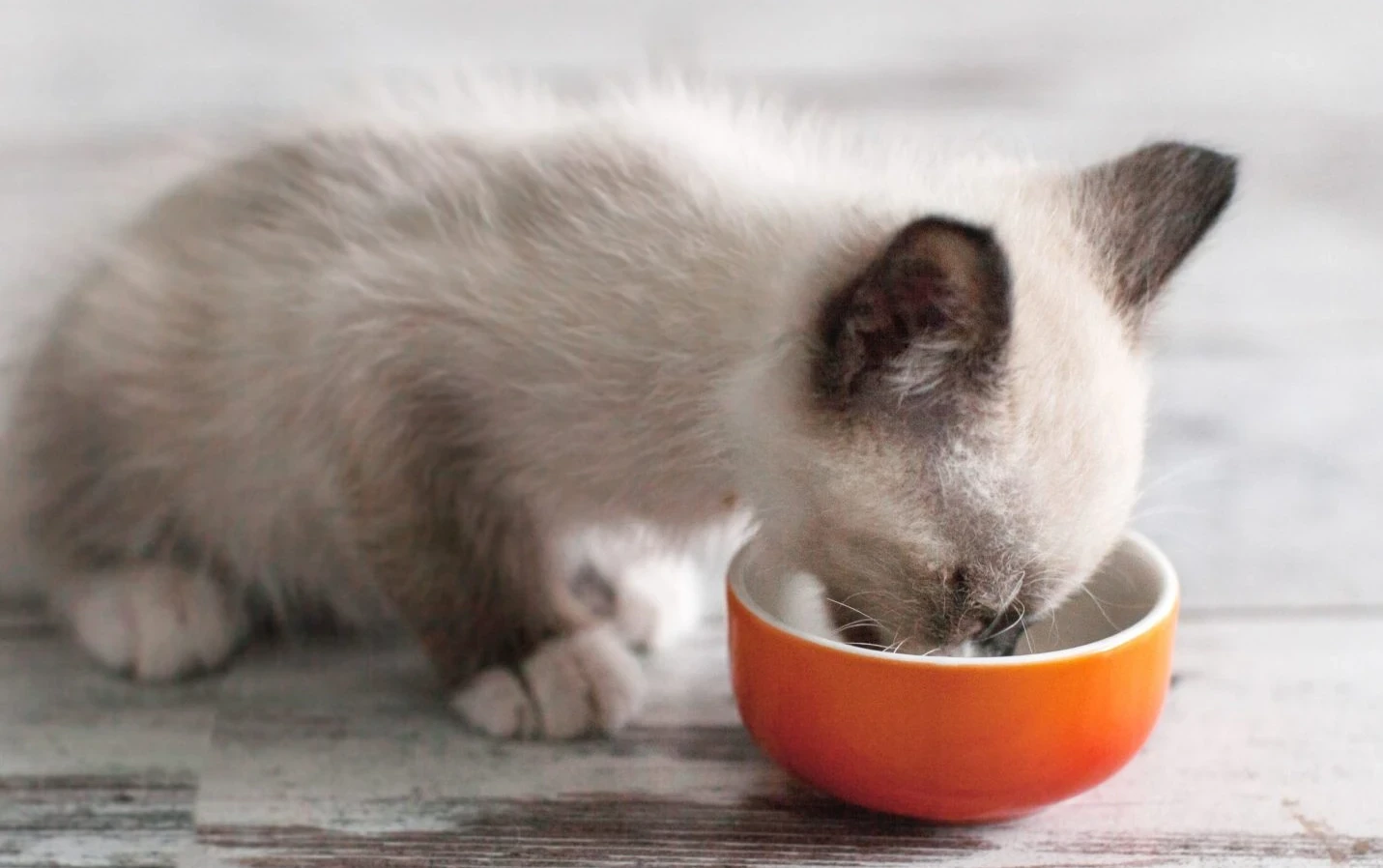
Digging around the bowl isn’t the only interesting thing cats do at mealtime. Here are a few neat things I’ve noticed after years of living with and reading about cats:
- Some cats will drag their toy mice or blankets near the bowl, acting as if they’re “protecting” their stash.
- Outdoor cats, or those with outdoor access, tend to cache food much more obviously; they’ll even bury fish or scraps in garden beds.
- Cats related to each other may mimic each other’s feeding behaviours, especially littermates or cats that grew up together.
- Cats often prefer to eat in secluded or quiet spots, far from foot traffic or noise in the house.
- Some cat breeds, especially those with a wild heritage like Bengals, may be more likely to show caching or pawing behaviours around their bowls.
-
Feeding routines can affect these habits; free feeding versus scheduled meals often influences how much scratching you spot.
Observing these quirks isn’t just fun; it can help you set up a feeding routine and space that works for your cat’s comfort.
For example, watching where your cat scratches or feeling for the texture of mats they prefer can clue you in on what they find calming. It’s a great way to bond with your pet and provide enrichment based on what makes them feel secure.

Frequently Asked Questions
Here are some common questions I get from other cat owners about this bowl-scratching quirk:
Why does my cat scratch the floor after eating?
Answer: Pawing or scratching is an instinctual behaviour, kind of like “burying” leftovers to hide them from other animals or to come back later. It’s totally normal for most cats.
Is it bad if my cat keeps scratching around the food bowl?
Answer: Usually, there’s nothing wrong with it unless it’s ruining your floors or your cat seems upset. If the scratching seems obsessive or paired with changes in appetite, a check up with the vet is a smart idea.
Does scratching the food bowl mean my cat doesn’t like the food?
Answer: Not always! Some cats scratch even when they love the meal. If they consistently refuse a certain food, though, it could be about taste or freshness.
Conclusion: Takeaway on Food Bowl Scratching
Watching a cat scratch around their bowl is just another one of those funny cat things that connects them to their wild roots. It doesn’t usually mean there’s a problem, but it does give a glimpse into your pet’s instincts and individual personality.
Adjusting how you serve meals and keeping an eye on changes in behaviour can keep your home cleaner and your cat happier. Most of the time, this is just one more reason cats keep life interesting, and keep us guessing about what’s going on in their fluffy little heads.
So next time you see your cat pawing at their bowl, remember that it’s not just a quirky habit—it’s a peek into a fascinating mix of ancient survival skills and your pet’s unique character, all taking place right in your kitchen.

Leave a comment
This site is protected by hCaptcha and the hCaptcha Privacy Policy and Terms of Service apply.