
Why Does Your Cat Keep Headbutting You and Purring ?
It’s pretty common for cat owners to wonder why their feline friends gently bump their heads against them and purr like crazy. The combo of a soft headbutt (sometimes called a “bunting” or “booping”) and that little motor revving up in your lap can be both adorable and puzzling. I get this question a lot, and it’s actually a sweet sign of cat behaviour that’s loaded with meaning.
I’ll walk you through all the reasons your cat does this, what the behaviour shows about your bond, and a few tips if the headbutting gets a little too enthusiastic.
Plus, I’ll share some extra bits about cat communication and what those affectionate gestures mean. Whether you’re a new cat parent or a long time kitty fan, there’s always something new to dig into with these mysterious little furballs.
Understanding Cat Headbutting
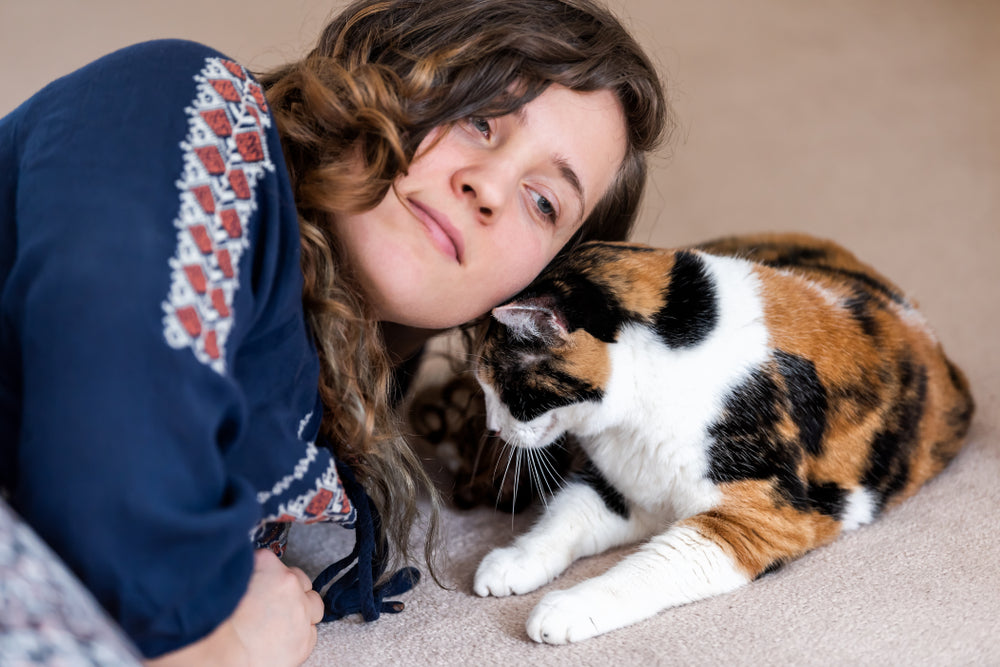
When a cat leans in and taps their forehead, cheek, or top of their head against you, that’s what most people call a headbutt. Technically, it’s known as “bunting.” This move can be slow and gentle, or sometimes cats get a little spirited and put their full weight behind it.
It almost always comes with a few other happy signals, like purring, rubbing, or body wiggling. Cats might also rub their cheeks along your hand or even headbutt furniture to spread their scent in their space.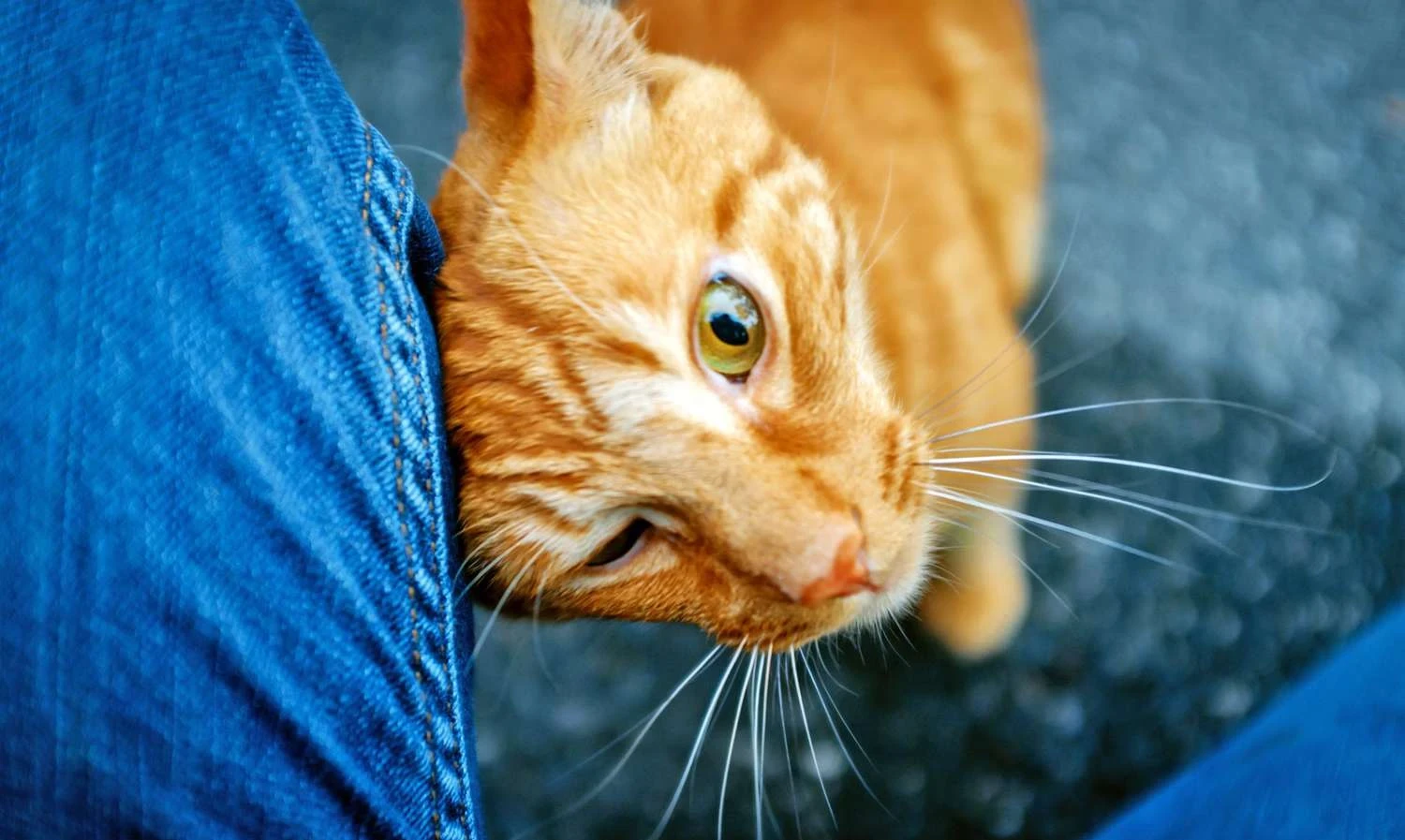
Why Do Cats Headbutt People?
Cats headbutt for a few main reasons. The top one is marking you with their scent. Cats have glands on their faces that release pheromones when they rub against something, or someone. When they bump you, they’re sending out signals like “You’re mine!” and leaving comforting, familiar smells on you.
It’s basically their way of claiming their favourite humans and sharing a piece of their world. This “scent swapping” is big in cat culture and helps them feel secure in their environment.
Does Every Cat Headbutt?
Not all cats are headbutt superstars. Some cats are more into gentle nose bumps, slow blinking, or just hanging near you. If your cat doesn’t do this, it doesn’t mean something’s wrong. Every cat has a different way to show affection. Some might nuzzle, some curl up next to you, and just being near you is proof they feel comfortable and safe.
What does cat Purring mean ?
Purring is a thing cats do when they’re relaxed, content, or feeling safe. But that’s not the only reason. They might purr if they’re nervous or if they want to comfort themselves, too. Cat purrs actually have a calming effect (on both cats and humans).
Some research even suggests that purring may help with healing and pain relief for your kitty. For us, their purring is often a signal we can pick up on—when your cat purrs while headbutting, you know they’re feeling good.
Headbutting Plus Purring: The Meaning Combination
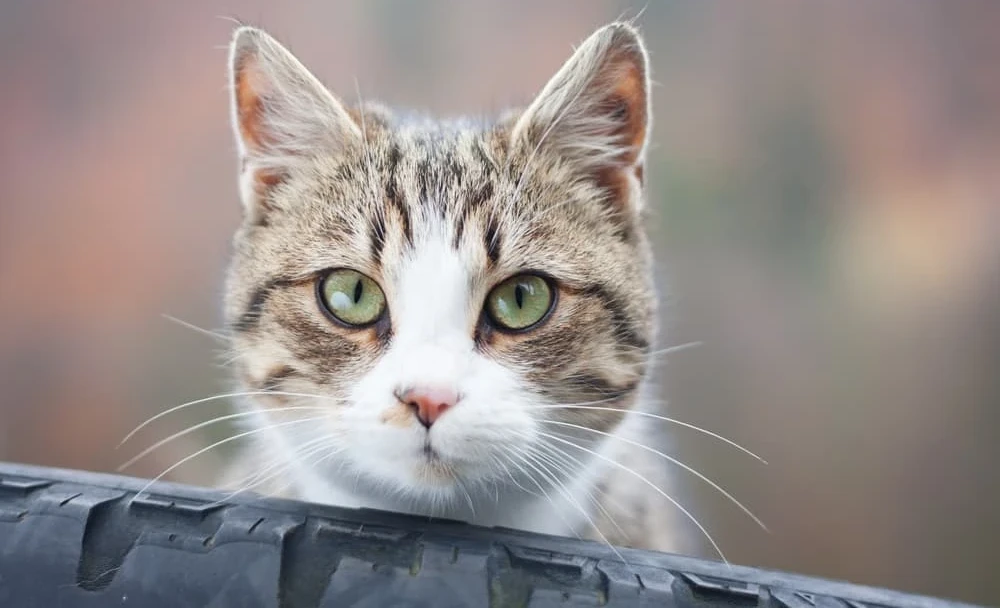
When a cat headbutts and purrs at the same time, it usually means they’re happy you’re around and they trust you a lot. This mix signals affection, comfort, and sometimes a bit of a love-fest.
For most cats, it’s their way of greeting their favourite person, asking for attention, or just saying, “Life’s good right now.” If your cat is in a particularly snuggly mood, you might notice they’ll headbutt, purr, and maybe even start kneading you, all in one session.
What Your Cat is Really Trying to Tell You
Cats Show Love Differently
This behaviour is one way cats express social bonding. Wild cats use headbutts and cheek rubs with other cats they trust. So, your kitty is treating you like family, a huge compliment in the cat world.
Being chosen for some headbutts means you’ve made it onto their “trusted circle” list. This level of trust takes time; if you’re new to your cat, you might notice headbutts becoming more frequent as your relationship grows.
Building and Strengthening Your Bond
Every time you smile, pet, or talk gently to your cat while they do this, you’re making that bond even stronger. I always make a point to respond to my cat’s headbutts with soft pets or kind words. It keeps the vibe positive and lets your cat know you appreciate them.
If you want to step up the connection, you can try slow blinking back at your cat or mimic their gentle touches to show understanding in their own language.

Is This Ever a Problem ?
When Headbutting Is a Little Too Much
Sometimes, a cat can get a bit carried away and the headbutting gets a little rough. If your kitty’s getting a bit too rowdy, try redirecting their energy into play with a favourite toy. It can help them channel that excitement, without accidentally giving you a light bruise or surprising you with an unexpected boop.
You might also find that some cats headbutt more when they’re craving attention, so mixing in more playtime during the day can ease up the intensity.
Unusual Behaviours to Watch For
If headbutting comes with other changes, like head pressing against walls, confusion, or loss of coordination, it’s really important to check with your vet.
Those can be signs of a medical issue, but the classic gentle headbutt paired with a happy purr is usually just a sign of affection. Keeping an eye out for other habits, such as changes in appetite or grooming, can help you spot early signs if anything unusual pops up.
Other Cat Affection Behaviours
-
Slow blinking: If your cat gives you long, slow blinks, they’re showing trust and friendship.
-
Kneading: When cats press their paws into your lap or a soft spot, that’s another comfort signal from kittenhood. Some cats purr loudly while doing this, making it a truly heart warming scene.
-
Following you around: Shadowing you from room to room is another classic cat love move. You might notice your furry friend wants to be wherever you are.
-
Mild biting or nuzzling: Some cats nibble gently as they interact or show excitement.
-
Tail-up greeting: A cat with its tail straight up, sometimes quivering at the tip, is showing happiness to see you and welcomes interaction.
Summary
If you have more questions about cat behaviours, feel free to reach out and share your experiences. Feline communication is pretty amazing, and I’m always happy to chat more about it.
If your cat’s headbutts come with some extra quirks or you’re not sure what’s normal, your vet can help you rule out anything unusual. And remember, every cat has their own quirks, so the best you can do is enjoy all the cute moments, learn along the way, and celebrate your unique cat’s personality.

Leave a comment
This site is protected by hCaptcha and the hCaptcha Privacy Policy and Terms of Service apply.